
By Victor Grimm, International Financial Analyst
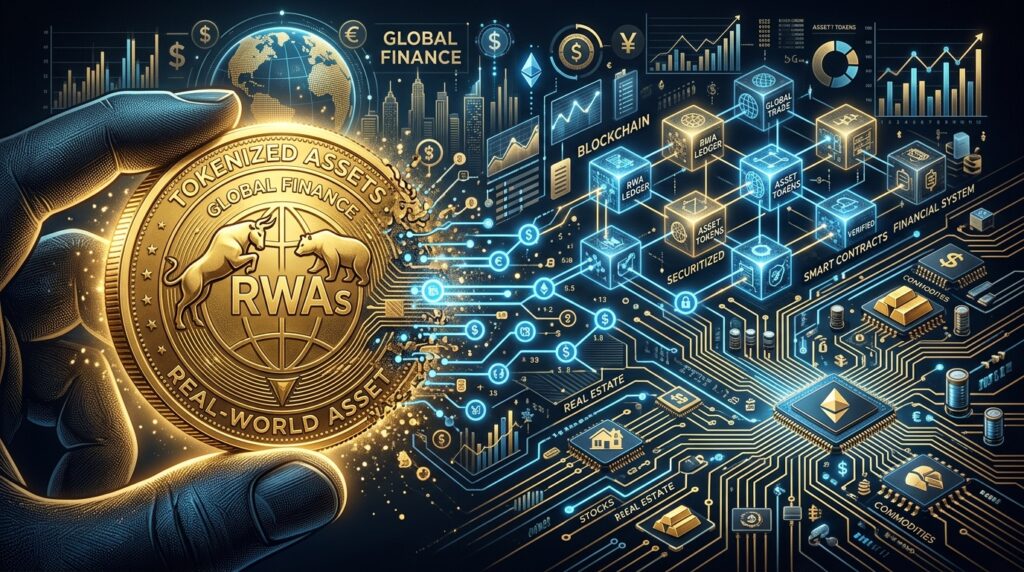
In my decades analyzing markets from Moscow to London, I have rarely witnessed a paradigm shift as fundamentally disruptive as the convergence of traditional finance (TradFi) and decentralized finance (DeFi). The bridge between these two historically opposed ecosystems is being built, and its foundation is made of Tokenized Real-World Assets (RWAs).
The End of the Speculative Era
For years, the crypto landscape was defined by highly speculative, intangible tokens. However, capital is inherently cowardly and constantly seeks tangible yield. We are now entering an era where hard assets—commercial real estate, private credit, fine art, and sovereign bonds—are being represented on-chain. This is not merely a technological novelty; it is a fundamental rewiring of global liquidity.
Democratizing the “Illiquid Premium”
Historically, institutional investors have harvested the “illiquid premium”—the excess return offered by assets that cannot be easily sold. By fractionalizing these assets via blockchain technology, retail investors can now gain exposure to markets previously gated by high capital requirements and opaque regulatory walls. The blockchain serves as an immutable, globally accessible ledger of ownership, drastically reducing counterparty risk and settlement times.
Strategic Implications for Wealth Building
As we navigate an environment of macroeconomic uncertainty and persistent inflation, allocating a portion of a portfolio to tokenized RWAs provides a robust hedge. It marries the high-velocity infrastructure of DeFi with the inherent stability of TradFi assets. The smart money has already recognized this transition. The question is no longer if traditional assets will move on-chain, but how quickly.
In the coming months, I will be dissecting specific RWA protocols that are leading this charge, examining their tokenomics, legal frameworks, and structural integrity. Stay vigilant, and allocate wisely.